


Before doing anything else, request the Declarations by the seller from your broker for the property you intend to view. You’ll find a wealth of relevant information there to help you fine-tune your questions during the visit.
Also, feel free to ask if a pre-purchase inspection has been carried out by the seller. This report is often a gold mine of information.
When you go for a viewing, here are 21 essential points to go over with your real estate agent to help you make an informed decision:
✅ Inside the house: things to check
1- Room layout and dimensions
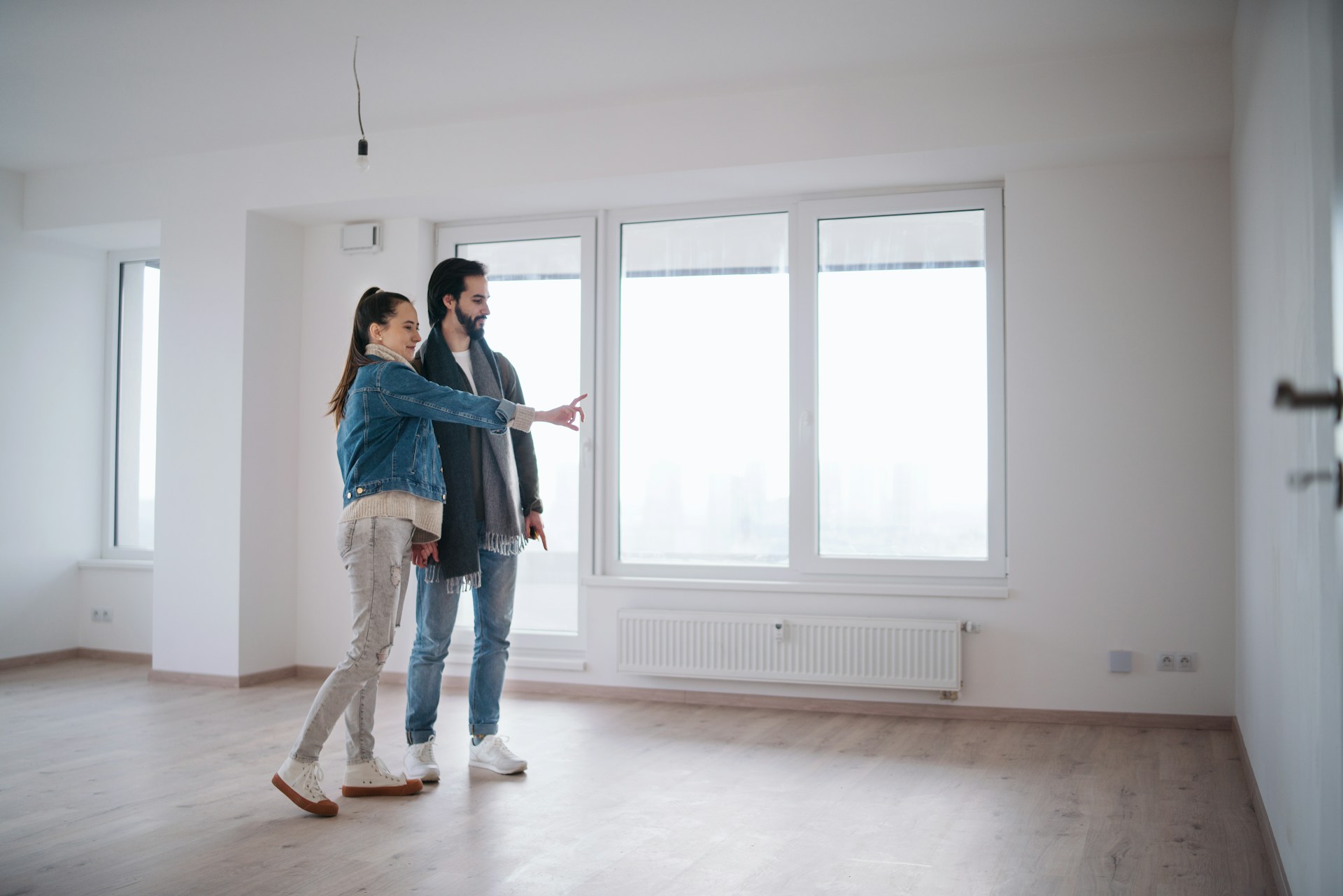
Beyond just checking the general condition or the aesthetic of your future home, it’s essential to ask yourself if the layout meets both your current and future needs. Are there enough bedrooms? Are the rooms large enough for your furniture and your daily lifestyle? Do you need a family room in the basement? Do the bedrooms need to be on the same floor?
2- Storage space
Take our word for it: you can never have too much storage. Ask if you can open the closets and cabinets to make sure there is enough space and to see if they can be adapted to your needs. A lack of storage can become a major headache in the long run!
3- Insulation
Good insulation can significantly reduce your heating and cooling costs. Otherwise, you could experience heat loss and humidity issues. Check if the insulation meets current standards and pay close attention to the walls, attic, basement, as well as the doors and windows.
4- Doors and windows
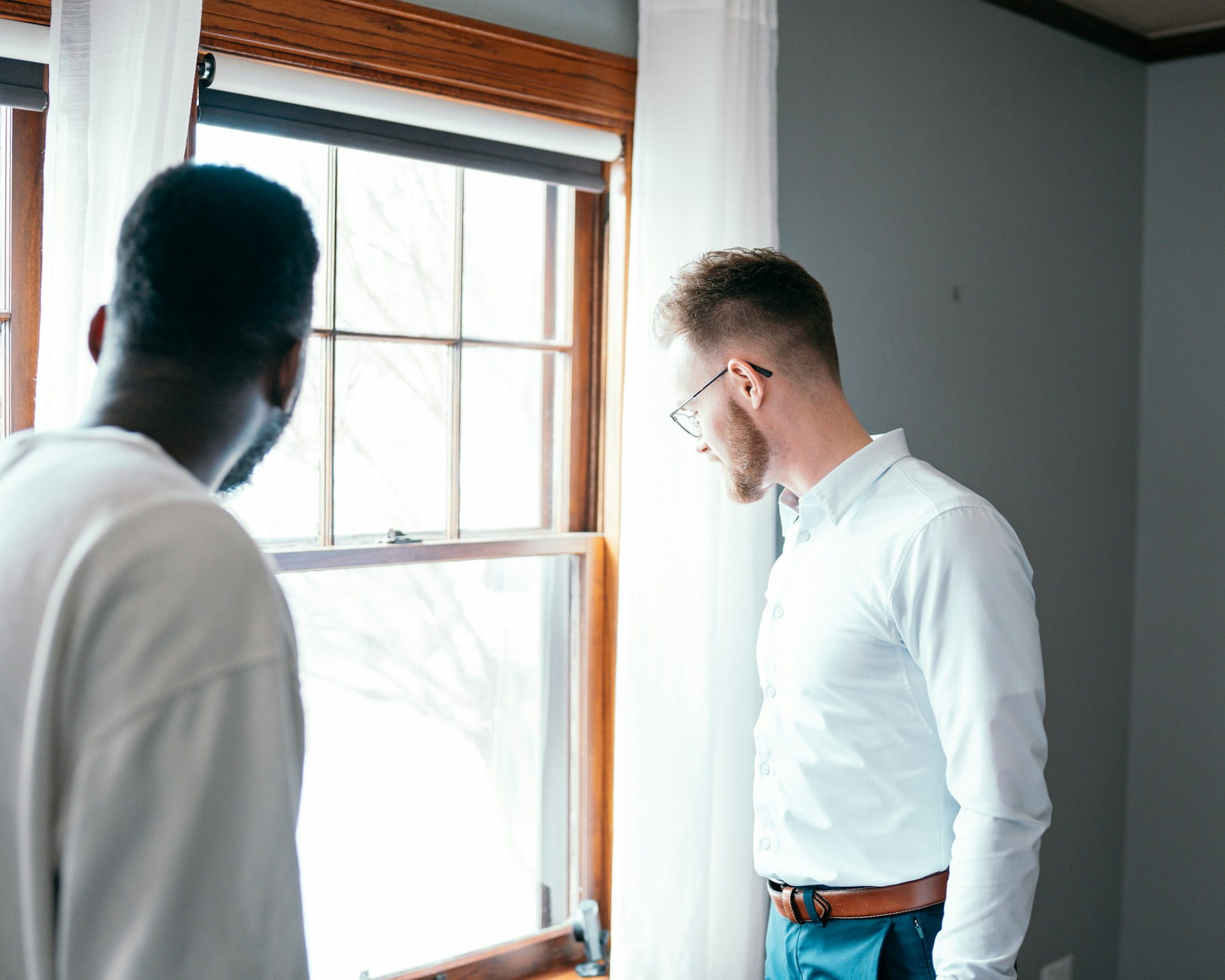
Replacing doors and windows can be very expensive. Check their energy efficiency and inspect their overall condition (look for condensation between panes or cracks, the condition of the frames, and ensure the opening and closing mechanisms work smoothly).
5- Heating and cooling
It’s worth noting that there are various types: hot water, oil, electric, gas, or wood heating, as well as central systems or heat pumps. Find out about the type of heating and cooling systems, their age, their energy efficiency, and their maintenance history. Also, ask if there is an air exchanger.
6- Floors
During your tour, besides noting if you like the look, look for signs of wear, creaks, sagging, or unevenness. These indicators could signal a structural problem.
7- Walls and ceilings
Examine the walls and ceilings for any cracks, water stains, mold, or signs of repairs. If you see any, ask questions.
8- Sunlight exposure
If possible, visit the property during the day or while there is still daylight outside. You will be able to see how much natural light the rooms get. Additionally, the sun's orientation relative to the windows plays a role in your energy consumption.
9- Lighting
Well-lit living spaces contribute greatly to the comfort and atmosphere of your future home. While this is an aspect that can be easily fixed, take the time to evaluate if it fits your lifestyle and needs.
10- Electrical panel
A system in poor condition can lead to expensive repairs. During the tour, check the electrical panel to see if it meets current standards.
11- Plumbing
While visiting your future home, test the water pressure in the kitchen and bathrooms Then, check the condition of the faucets and visible pipes to look for signs of leaks or any foul odors.
12- Alarm system and smoke detectors
For your family's safety, check for the presence of smoke and carbon monoxide detectors. Additionally, ask if the current occupants have already installed an alarm or security system.
13- Bad smells
Nobody wants a house that smells bad! Certain odors can signal more serious problems that require professional intervention, especially in the case of electrical smells, mold, or plumbing issues. Pay close attention to any odors.
👉🏻 To learn more about this topic, read our article Bad smells in the house: where do they come from?
14- Attic
The attic allows you to check the insulation, ventilation, and ensure there is no moisture or mold. Poor ventilation can lead to long-term problems.
✅ Points to check on the home's exterior
15- Foundations
Another very important point is the foundation inspection. Take the time to walk around the house to spot any cracks, settling, or signs of water infiltration.
16- House roof
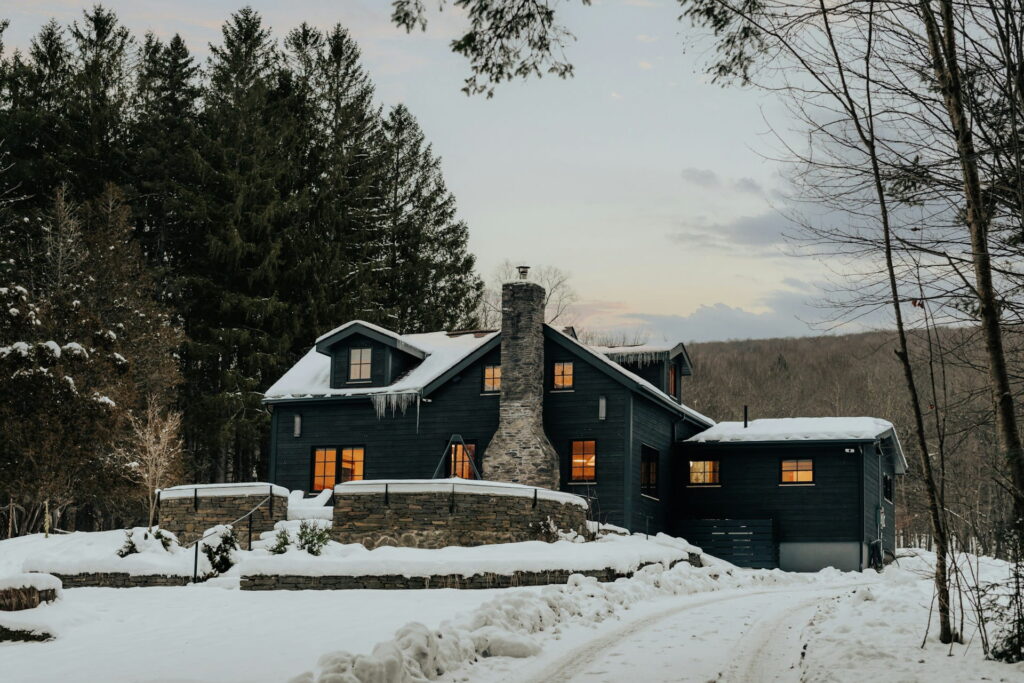
Of course, the roof protects the entire property. You should check its general condition and ask the sellers when it was last replaced.
17- Exterior Siding
Inspect the exterior walls (brick, wood, siding) for cracks, peeling, or signs of deterioration.
18- The Yard
In addition to checking the drainage, grading, and overall condition of the lot, make sure the yard meets your needs:
- Does the yard layout meet your needs (children, pets, garden, pool, relaxation)?
- Is the required maintenance compatible with your lifestyle?
19- Septic System
Some properties are not connected to municipal sewers; therefore, they are equipped with a septic system for individual wastewater treatment. Ask the sellers if this is the case.
20- Neighborhood
Take the time to evaluate the location and local services: schools, transit, noise levels, neighbors, shops, neighborhood life, etc. Ask yourself if the environment fits your daily routine and your priorities.
21- Renovations
The perfect house doesn't exist or at least, it’s very rare. It’s possible that a property will meet most of your criteria while still requiring a few improvements. Take the time to list your priorities to determine if this purchase fits your budget.
Don't forget the importance of an inspection
Most of these items will be verified by an inspector. Rarely costing more than a few hundred dollars, an inspection can protect you from unpleasant surprises. As a general rule, when you submit an offer, you and your agent will include the inspection as one of the conditions. If the inspector's report reveals problems that weren't brought up during the visit, you can then negotiate the price or withdraw your offer.
🚨Warning! Not every defect or issue revealed by an inspection automatically gives you the right to cancel a purchase offer.
This is a crucial step that we advise you not to skip!


