


Many of you are thinking about buying your first home over the next few months or years. In today’s economic climate, marked by rising prices, it is completely normal to feel some anxiety. That is why proper planning is essential. The earlier you start building a solid financial profile and adopting smart strategies, the better your chances of making your dream a reality.
1- Maintain a healthy credit score
Just as with buying a car or renting an apartment, your credit score is a vital tool for banks to calculate your borrowing capacity and assess your overall financial health. While you don't need a squeaky-clean record, many institutions will check your payment history and repayment habits.
Typically, credit scores between 660 and 900 are considered good to excellent.
Make sure to always stay within your credit limits and pay at least the minimum balance before the monthly deadline. A simple habit that makes a world of difference for the future!
2- Saving money
One of the main obstacles when buying a home remains the down payment. Depending on the type of property you want to buy, the required down payment can vary. As a general rule, it’s best to plan for a 20% down payment to qualify for the purchase.
While that amount might seem overwhelming, there are several ways to save up the money.
First home savings account (FHSA)
The FHSA is a tax-free savings account created by the federal government to encourage and facilitate homeownership for first-time buyers.
- Maximum annual contributions of $8,000 and a total of $40,000 over a lifetime
- No repayment required
- No withdrawal limit
- No minimum holding period to withdraw funds
- Contribution deadline: December 31 of each year
- 15-year lifespan from the date it is opened.
To learn more, check out our blog post on the subject right here.
Home Buyers' Plan (HBP)
The Home Buyers' Plan (HBP) is a federal program designed to help Canadians purchase their first home. This program allows eligible individuals to use their Registered Retirement Savings Plan (RRSP) to finance the purchase of a property, without having to pay tax on the funds withdrawn.
The maximum amount you can withdraw from your RRSP to buy a home is $60,000, which you will have to pay back within 15 years of the withdrawal.
To learn more, check out our blog post: What is the Home Buyers' Plan (HBP)?
3- Budgeting for additional costs
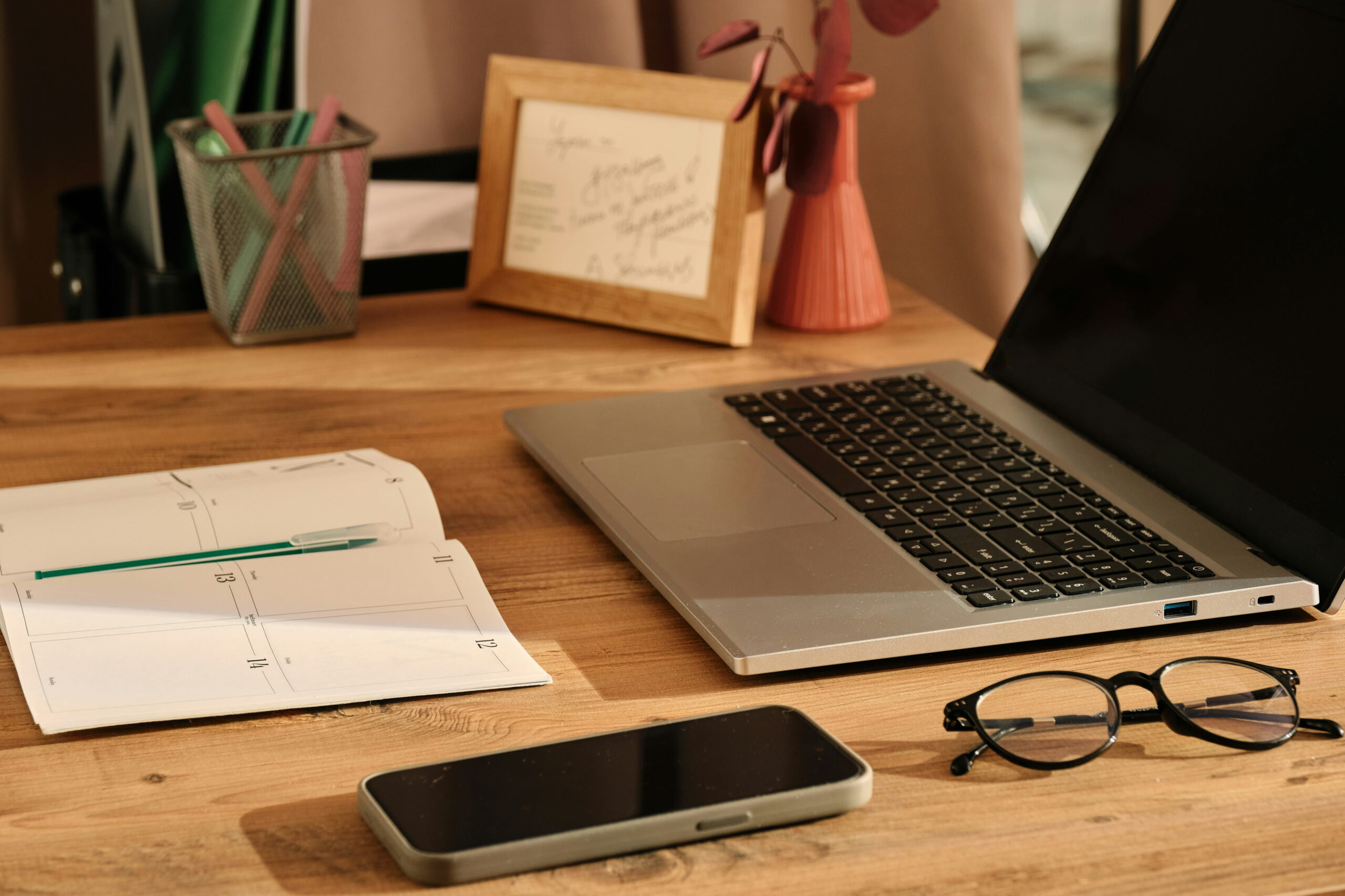
If you don't take the time to analyze your situation, buying your first home could become a real financial burden. We strongly recommend establishing a monthly budget and defining your financial goals (home purchase, savings, retirement, debt reduction, etc.) before getting started. This way, you’ll know exactly what you can afford.
In addition to the down payment, make sure to budget for all associated costs:
- Pre-purchase inspection ($700 to $900)
- Notary fees ($500 to $1,500)
- Home insurance
- Moving costs ($500 to $1,000)
- Renovations (if necessary)
- Annual fees
- Utility costs
- Condominium fees, if applicable
- Property maintenance
- Etc.
We recommend setting aside approximately 1.5% to 3% of the purchase price to cover these expenses.
The welcome tax is reimbursed for first-time buyers.
In the spring of 2026, the Quebec government announced that it will reimburse the welcome tax to first-time buyers in the form of a tax credit.
Good to know:
- A full $5,000 reimbursement on land transfer duties. Beyond this amount, you will receive an additional 25% credit on the remaining balance, up to a maximum of $875.
- Buyers who have not owned a home in the last 4 years. For couples, both individuals must meet this criterion.
- This measure applies to homes purchased as of January 1, 2026.
4- Pay down your debt
Once you have a clear picture of your finances, you can determine which debts to prioritize and pay off. Car loans, credit cards, and lines of credit carry the highest interest rates. These are the ones you should pay off first before applying for a mortgage.
Why ? Your financial institution will calculate your debt-to-income ratio, which compares your total debt to your gross income. Naturally, the more debt you have, the lower your approved mortgage amount will be.
Don't get discouraged if you have some debt! You can still buy a house. However, you need a solid plan to avoid taking on more debt and falling behind on your payments.
5- Determine your borrowing power

Before you start searching for your dream home, it’s worth taking a few minutes to properly evaluate your borrowing limits. There is nothing more frustrating than finding the perfect home only to be unable to make an offer due to a lack of financing.
Meet with your financial planner or mortgage specialist to crunch the numbers and find out exactly how much you can borrow. Many bank websites also offer online calculators that can determine your home-buying budget in just a few clicks by asking a few simple questions.
6- Get pre-approved for a mortgage
With your down payment, current debts, and borrowing capacity in mind, you can now apply for a mortgage pre-approval from your bank. This can be a compelling argument for certain sellers, as they will be reassured that the sales process won’t be held up by a financing rejection.
For your mortgage pre-approval, see an advisor in person or use our online resources.
Now you’re ready to fill out your first offer after finding the home of your dreams, one that fits your budget (bye-bye financial stress 👋🏼).
✅ Curious to learn more? Take advantage of the expertise of a professional who is both experienced and regulated by the Real Estate Brokerage Act, contact one today!


